

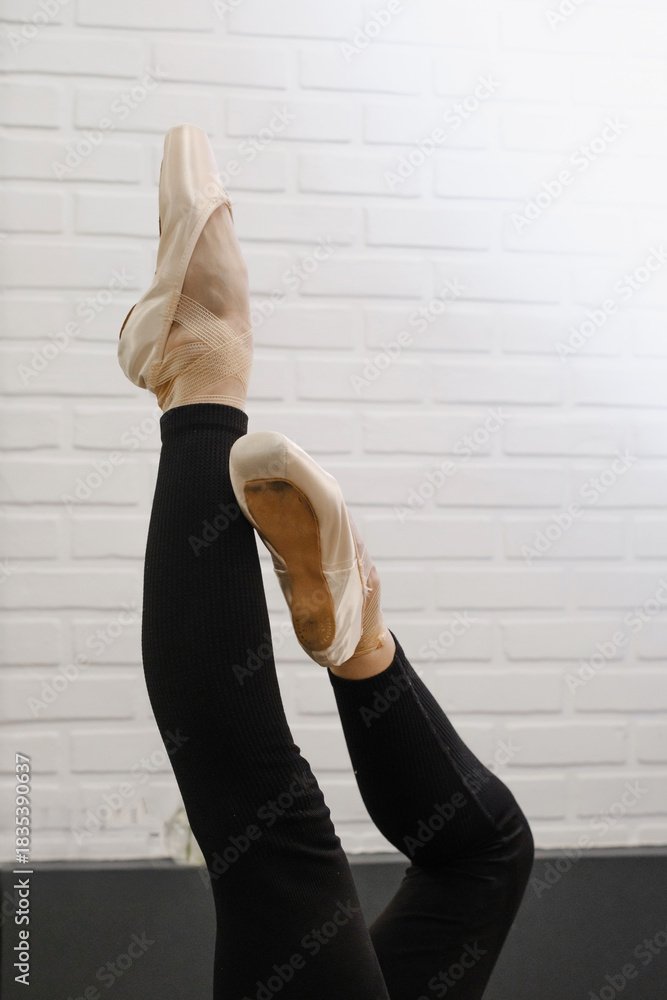
Physical Therapy for Competition Dancers
We help you master your mobility and build the strength necessary to perform at your peak, all on your own schedule.
The Aesthetic Athlete: Specialized Care for Dancers
Competition dancers are “aesthetic athletes” who must perform feats of immense athletic power while making it look effortless and graceful. This unique demand creates specific injury patterns that general physical therapists often misunderstand. At Empowered Life PT, we provide specialized physical therapy for competition dancers, ensuring your longevity in the studio and on stage.
Danielle understands that for elite gymnasts and competition dancers, “recovery” isn’t just about pain relief—it’s about returning to a level of performance that is a “whole other ball game”. Her deep understanding of biomechanics allows her to speak the language of coaches and athletes alike, ensuring that rehabilitation translates directly to higher scores and safer landings.
Understanding the Dancer’s Body
Dancers often possess hypermobility (extreme flexibility), which is an asset for aesthetics but a liability for joint health if not properly controlled.
- The Challenge: A dancer must stabilize a joint while moving it through an extreme range of motion (e.g., a grand battement or penché).
- The Risk: Without sufficient strength at the end-range of motion, dancers are prone to hip impingement, labral tears, and chronic ankle instability.
Danielle works with dancers to build neuromuscular control. We don’t just treat the pain; we look at your technique. Are you forcing your turnout from your knees and ankles instead of your hips? Are you engaging your deep core during adagio? We analyze these movements to prevent future injuries.
Services Offered for Dancers

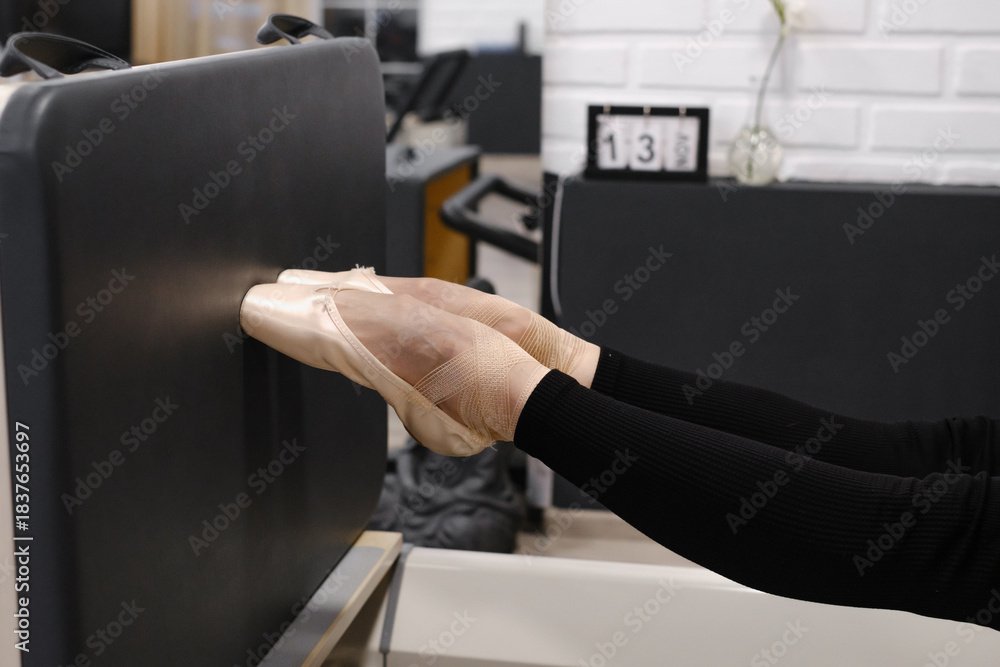
Pointe Readiness Assessments
Moving to pointe shoes is a major milestone, but doing so too early can permanently damage the foot. We use evidence-based screening tools to objectively determine if a dancer is physically ready.
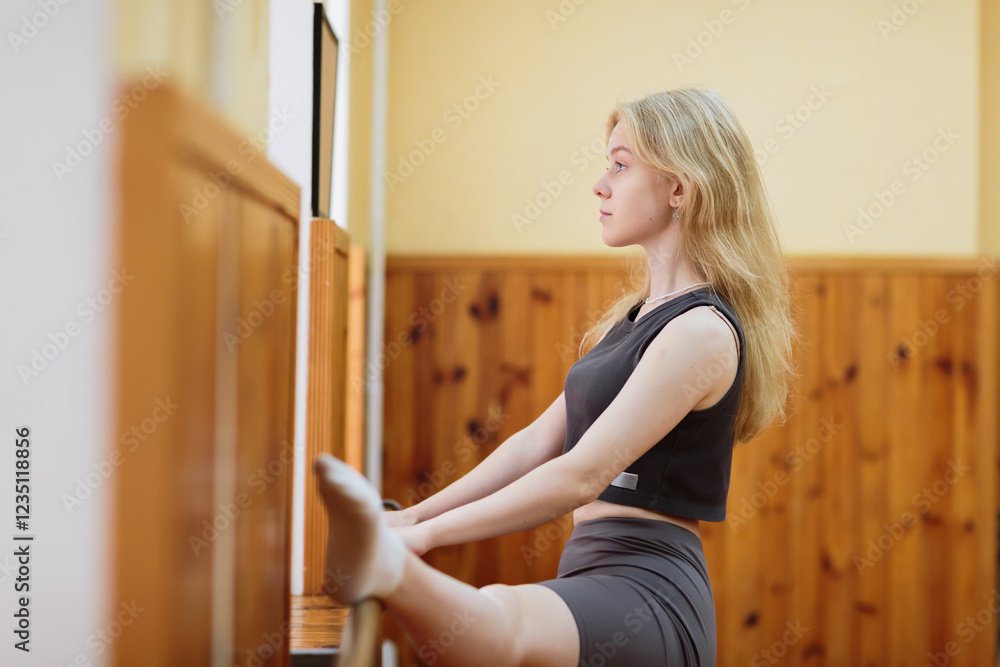
Turnout Optimization
We help you maximize your functional turnout safely, without compromising your knee or ankle joints.
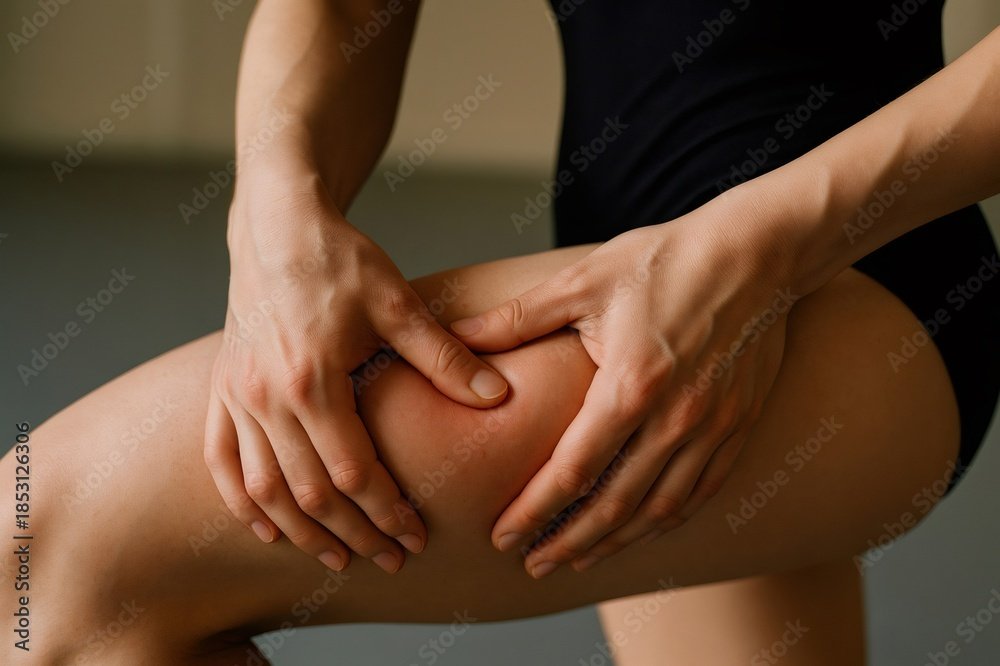
Stress Fracture Management
Dancers are at high risk for stress fractures in the foot (metatarsals) and spine (spondylolysis) due to repetitive impact and hyperextension. We guide safe, progressive loading programs to get you back to dance.
Evidence-Based Practice
According to the International Association for Dance Medicine & Science (IADMS), the majority of dance injuries are related to overuse and faulty technique rather than acute trauma. This highlights the necessity of working with a PT who understands dance technique. General rest is rarely the answer; “relative rest” and biomechanical correction are the keys to recovery.
Frequently Asked Questions
1. My dance teacher says I need to work on my flexibility, but I have pain. What should I do?
Pain during stretching is a red flag. Often, what feels like “tightness” is actually a muscle guarding a nervous system threat. We can assess if you need actual stretching or if you need stability work to make your nervous system feel safe enough to release the muscle.
2. Can I continue to dance while in Physical Therapy?
In most cases, yes. We advocate for “active recovery.” We may limit specific jumps or movements that aggravate your injury, but we want you in the studio marking steps and maintaining your conditioning whenever safe.
3. Do you treat hip clicking/snapping (Snapping Hip Syndrome)?
Yes, this is one of the most common complaints in dancers. It is often caused by a tight muscle tendon snapping over a bony prominence. We treat this by balancing the muscle length and strength around the hip joint.
4. Why is a cash-based PT better for dancers?
Insurance often cuts off care once you can “walk without pain.” But a dancer needs to leap and pirouette without pain. Our cash-based model allows us to continue treatment until you are fully ready to compete, not just when you meet basic daily function goals.