
Pelvic Health & OB Care
We provide compassionate, expert care in the comfort of your home so you can focus on what matters most.


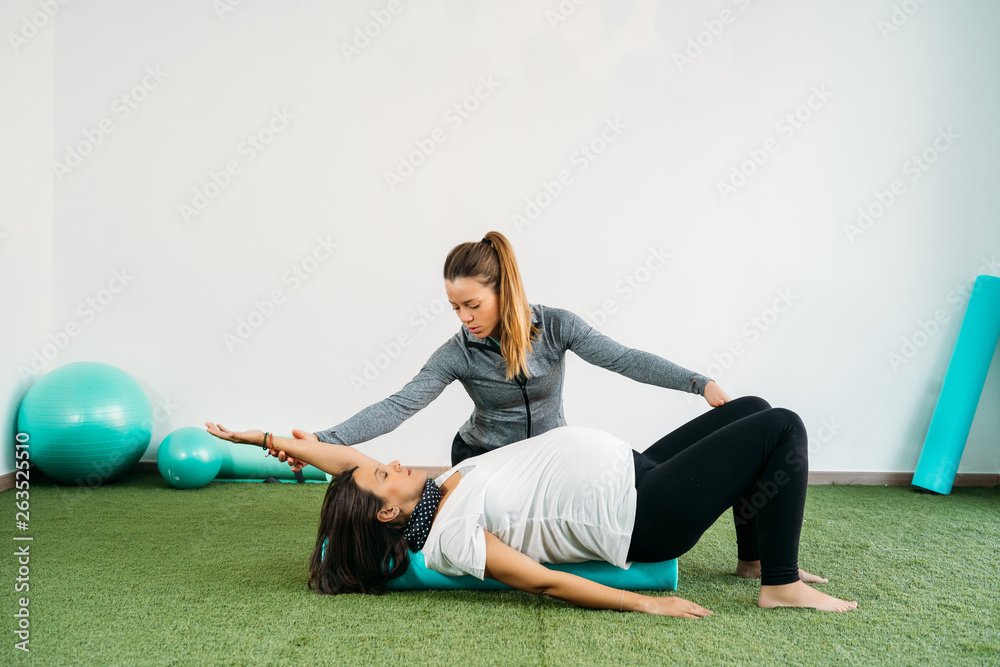
Specialized Care for the Maternal Journey
Pregnancy and childbirth are the most significant physical events a human body can endure. Yet, standard medical care often leaves women with a 6-week clearance and a “good luck.” At Empowered Life PT, we believe care should be continuous, comprehensive, and specialized.
We provide pelvic health services that go beyond the basics. Because Danielle is the only Certified OB Physical Therapy practitioner in New Jersey, she bridges the gap between your OB/GYN and your physical recovery.
The "Niche Audience": OB PT vs. Pelvic Floor PT
"Doctors understand the difference, but not all patients do."
- Pelvic Floor PT: Focuses on the muscles at the base of the pelvis. Essential for treating incontinence, prolapse, and pain.
- OB Physical Therapy (C-OBPT): Includes pelvic floor care but expands to the entire obstetrical experience. This includes managing high-risk pregnancy bed rest, labor and delivery positioning preparation, C-section recovery protocols, and musculoskeletal pain during pregnancy (pubic symphysis dysfunction, SI joint pain).
Conditions We Treat

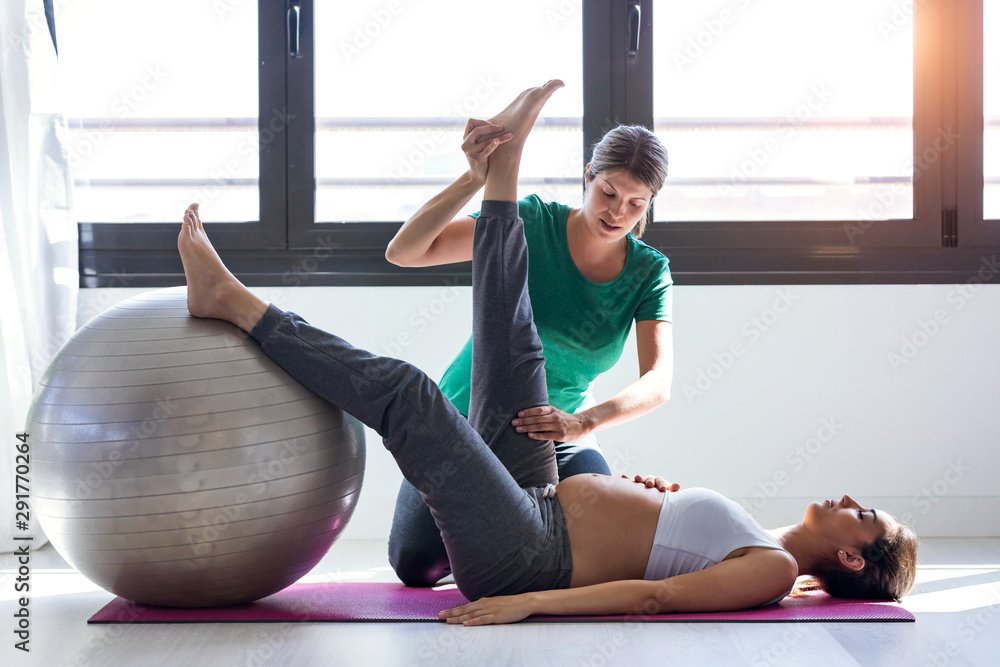
Diastasis Recti
We use ultrasound-verified techniques (if applicable/available or manual palpation) to measure and functionally close the gap in your abdominal muscles.
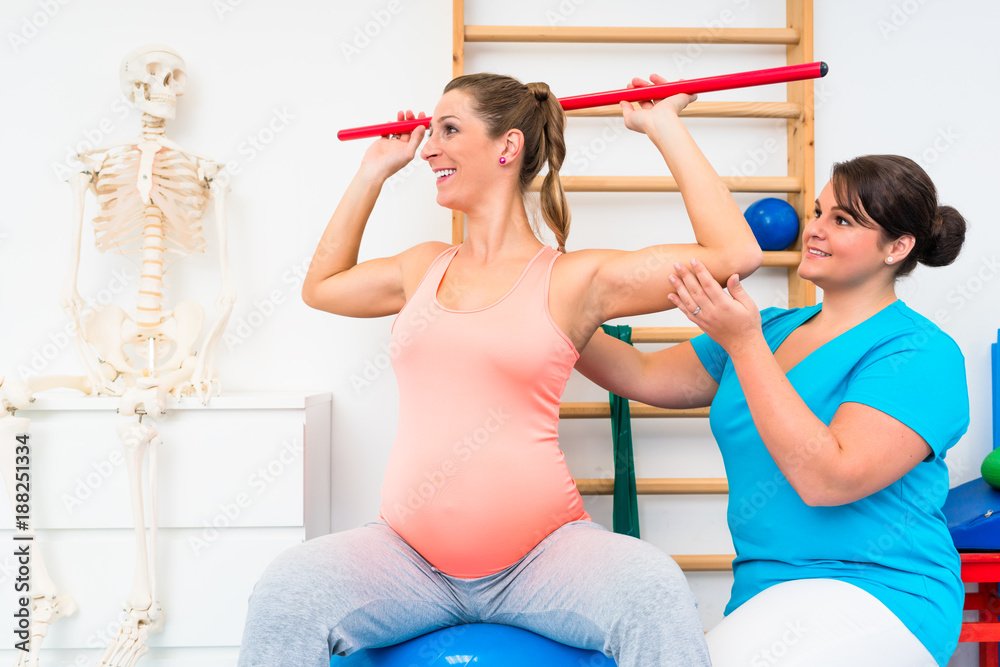
Incontinence (Urinary/Fecal)
Leaking when you sneeze or jump is "common," but it is not normal. It is treatable.
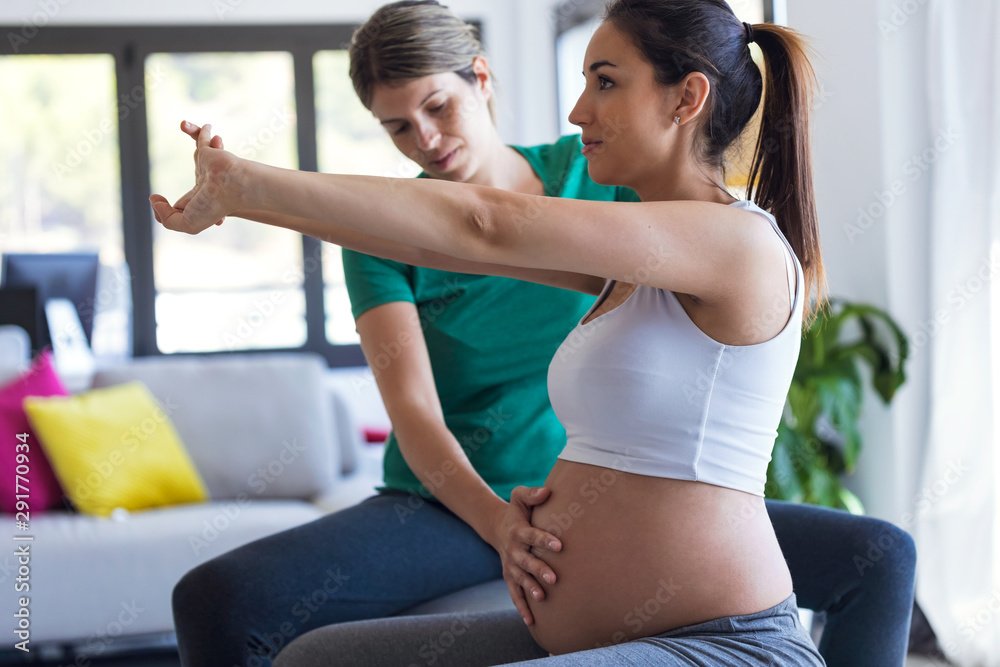
Pelvic Organ Prolapse
Feeling "heaviness" or bulging? We provide symptom management strategies and strengthening to avoid surgery.
Painful Intercourse
Postpartum scarring or tight pelvic muscles can cause pain. We provide compassionate, trauma-informed care to restore function and comfort.
The Importance of Fourth Trimester Care
The American College of Obstetricians and Gynecologists (ACOG) now recommends that postpartum care be an ongoing process, not a single visit. They specifically cite physical therapy as a key component of recovering from the physical trauma of birth. Whether you had a vaginal delivery or a C-section, your body needs rehab just like a knee surgery would.
Frequently Asked Questions
1. When should I start Pelvic Floor PT?
Ideally, during pregnancy! We can work on labor prep and preventing damage. Postpartum, you can see us as early as 2 weeks for gentle assessment and breathing mechanics, though internal work usually waits until 6 weeks or physician clearance.
2. I had a C-Section. Do I still need Pelvic Floor PT?
Absolutely. A C-section is major abdominal surgery. Scar tissue mobilization is critical to prevent future pain, and your pelvic floor still underwent 9 months of pregnancy pressure, even if you didn’t push.
3. Can I bring my baby to the session?
Yes! That is the beauty of mobile, in-home care. If you need to nurse or comfort your baby during our session, that is completely fine. We work around you and your family.
4. Is internal work required?
No. While internal pelvic floor assessment is the gold standard for diagnosis, it is never mandatory. We can accomplish a great deal through external palpation, breathing assessment, and exercise if you are not comfortable with internal work.